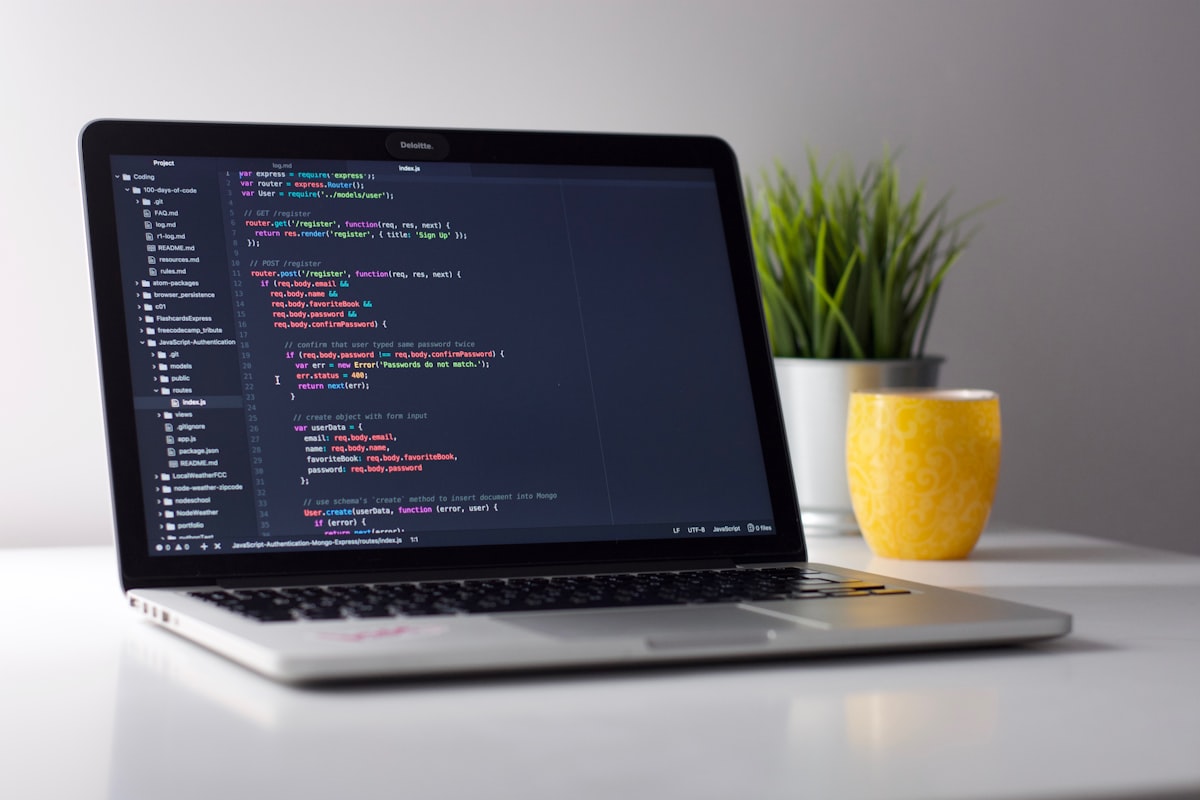
Two terms dominate 2026’s developer landscape: vibe coding — writing software purely by describing intent to an AI — and agentic workflows, where autonomous agents plan, code, test, and deploy with minimal human input. Both reshape what it means to be a software engineer.
What is Vibe Coding?
Coined by Andrej Karpathy, vibe coding describes the practice of letting an LLM generate code from natural language descriptions, accepting outputs without deeply reading every line. Tools like Cursor, Copilot Chat, and Codeium make this the dominant mode for prototyping and small-to-medium projects.
What are Agentic Workflows?
Agentic workflows take automation further. Instead of one-shot code generation, an agent breaks a task into sub-steps: plan architecture, write tests first, implement code, run tests, fix failures, and deploy — looping until quality thresholds are met.
“Vibe coding is like pair programming with a brilliant intern. Agentic workflows are like having a whole engineering team that never sleeps.”
Key Differences
Scope: Vibe coding handles small, well-defined tasks. Agentic workflows manage complex, multi-file features.
Reliability: Vibe coding requires manual review. Agentic workflows include automated testing and self-correction.
Integration: Vibe coding outputs code snippets. Agentic workflows push to GitHub, run CI/CD, and deploy.
The Future: Blended Engineering
The most productive engineers in 2026 use both: vibe coding for rapid exploration and boilerplate, then agentic pipelines for production-grade implementation. Engineering is becoming a discipline of orchestration rather than transcription.